What makes a Triyuginarayan Temple wedding so special?
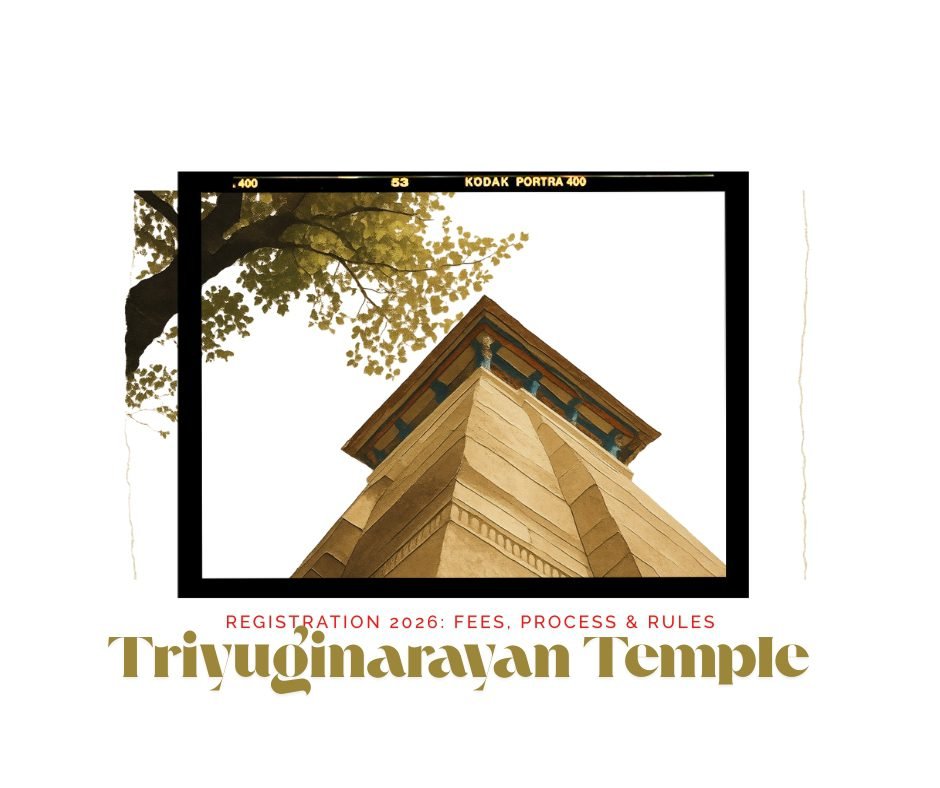
Some weddings are chosen for a ballroom. Some are chosen for a beach. A Triyuginarayan Temple wedding is chosen because the place carries a story much older than the invitation card. The temple in Uttarakhand’s Rudraprayag region is associated with the sacred legend of Lord Shiva and Goddess Parvati’s marriage. The Akhand Dhuni, or sacred fire, is central to the temple’s spiritual identity, and the setting creates an atmosphere that cannot be manufactured with luxury décor.
That does not mean the wedding is automatically easy. A temple wedding in the Himalayas needs respect, planning and a realistic guest list. Roads, weather, accommodation, local permissions, priest schedules, rituals, elderly comfort and photography access all need to be discussed in advance. This is not a resort where someone can move the entire mandap two metres because the photographer wants a better angle. Sacred spaces have their own rules—and honestly, they should.
Sanjog Diaries covers Triyuginarayan Temple weddings with a documentary and cinematic approach. We photograph the rituals, family blessings and couple portraits while keeping the focus on the spiritual meaning of the ceremony.
A Triyuginarayan Temple wedding is not just a mountain wedding with a temple in the background. Couples come here for the meaning—the sacred fire, the old legend, the blessings and the feeling that their marriage is beginning somewhere larger than themselves. Sanjog Diaries Triyuginarayan Temple wedding photography understands that the camera must serve the ceremony, not interrupt it. We preserve the emotion, rituals and family presence with a documentary-cinematic eye and genuine respect for the space.
The legend behind the temple
According to local religious tradition, Triyuginarayan is believed to be the place where Lord Shiva and Goddess Parvati were married, with Lord Vishnu associated with the ceremony and Lord Brahma traditionally regarded as the priest. The Akhand Dhuni is believed to have been burning through the ages, and many devotees connect the sacred fire with the divine wedding.
The story is why many couples choose this place. They are not only looking for a scenic photograph. They want their own vows to be made in a setting associated with a marriage that represents devotion, endurance and sacred commitment.
When writing about the temple, it is important to separate belief from verifiable administrative fact. The divine wedding is a religious tradition. Current temple procedures, ceremony permissions, timings, fees and documentation should be confirmed with the local temple committee, priest and relevant authorities before the wedding is finalised.
Who should consider a Triyuginarayan wedding?
This destination suits couples who prefer meaning over spectacle, intimate guest lists, traditional Hindu rituals and a mountain experience. It is ideal for families who are comfortable with a simple ceremony, fewer guests and a slower travel plan.
It may not suit a couple expecting a large resort-style sangeet, a massive stage, multiple luxury functions at the temple itself or a fully controlled production environment. You can plan celebrations and accommodation nearby, but the temple space should be treated as sacred rather than as a wedding banquet hall.
Many couples choose a small group of close family and friends. That makes the journey manageable and allows everyone to participate in the ceremony. It also creates a more intimate visual story. When there are twenty people, the photographer can notice every blessing. When there are two hundred, the photographer is mostly performing crowd management with a camera.
How to plan the ceremony respectfully
Speak with the temple and local priest early
Do not rely only on an online package page. Ask the local temple committee or priest about available dates, rituals, ceremony timings, permitted areas, offerings, guest limits, photography rules, décor restrictions and any required documents.
Procedures can change, especially around pilgrimage seasons, weather, local administration and temple management. Get important details in writing where possible.
Keep the décor simple
The temple and mountain setting already carry visual character. Use flowers, traditional fabrics and essential ceremonial details without obstructing worship or changing the temple’s structure. Avoid loud installations, heavy fixing and anything that makes the sacred space look like a hotel stage.
Plan the guest movement
Ask how guests reach the temple, where vehicles can stop, how far they must walk and what seating is available. Elderly relatives may need separate support. Keep water, warm layers, medicines and comfortable shoes ready.
Plan for weather
Mountain weather can change quickly. Keep a covered waiting space, rain protection for equipment, warm clothing and a flexible timeline. The sacred ceremony may have a fixed time, but portraits and group photographs can move.
A practical Triyuginarayan wedding itinerary
Day 1: Arrival and rest
Do not bring guests up the mountain and immediately schedule the main ceremony. Give them time to arrive, eat, rest and adjust to the road. A small welcome meal and family prayer can create a calm opening.
This is also a good moment for the filmmaker to record the journey, family conversations and the couple’s anticipation. A wedding film becomes more meaningful when it includes the road that brought everyone to the temple.
Day 2: Temple ceremony
Keep the morning organised. Makeup, clothing, priest timing, transport and guest movement should be confirmed the previous evening. Carry only the equipment allowed in the temple area. The team should know where they can stand and when they must step back.
After the ceremony, plan a short set of couple and family portraits in permitted areas. Do not make the couple stand in the cold for an hour because the mountains look “too cinematic” to leave.
Day 3: Family farewell or local experience
If the group has time, plan a relaxed breakfast, local visit or farewell. Avoid overloading the itinerary. The memory of the wedding should be peaceful, not a three-day spreadsheet with spiritual background music.
Photography ideas for a Triyuginarayan Temple wedding
Photograph the preparation with honesty
The bride’s family adjusting jewellery, the groom’s friends helping with traditional clothing, parents carrying offerings and elders preparing for the journey are important. These images show intention and devotion before the rituals begin.
Use the temple details with respect
The architecture, fire, bells, offerings and surrounding landscape can create a visual narrative. Photograph them only as permitted and without interrupting worship. A sacred object is not a prop to be moved for symmetry.
Focus on family emotion
The most powerful image may be a parent watching the couple near the fire. It may be a sibling holding a shawl around the bride. It may be the family gathered quietly after the pheras. These moments carry the meaning of the location.
Plan portraits away from the busiest flow
After the ceremony, find a permitted area with good light and enough space. Keep the portraits natural and short. The couple can walk, hold hands, look at the valley and speak to each other. They do not need to repeat ten dramatic poses.
Creating a cinematic film at the temple
A Triyuginarayan film should feel quiet, spiritual and personal. Begin with the journey: winding roads, mountain air, family luggage, the first view of the village and the sound of bells. Then let the couple’s story lead into the ceremony.
Natural audio is important. A parent’s blessing, a sibling’s memory, the priest’s chant, the sound of the fire and the couple’s own words can create a film with depth. Avoid turning the sacred ceremony into a fast-cut music video. Let the viewer breathe.
Sanjog Diaries creates documentary-style wedding films with cinematic visuals. We can plan a short film, trailer, reels, traditional video coverage, longer story edit and candid photography according to the scope. The exact team and deliverables depend on the number of days, guests and functions.
Travel and accommodation planning
Triyuginarayan is a mountain destination, so travel must be planned with daylight and road conditions in mind. Many couples use nearby towns such as Sonprayag, Guptkashi or other local accommodation points depending on the final itinerary and availability. Confirm the current road route, vehicle suitability and accommodation before sending invitations.
For a family group, arrange a local transport coordinator who understands the final road stretch. Smaller vehicles may be more practical on narrow mountain roads. Keep a buffer for weather, traffic and rest stops.
Accommodation should be checked for heating, hot water, meal timings, parking, network availability and elder-friendly access. Remote stays can be beautiful but may not provide every urban convenience. Tell guests honestly so nobody arrives expecting a five-star city hotel hidden behind a Himalayan cloud.
Legal registration and temple ceremony
A religious ceremony and a government marriage certificate are not automatically the same document. Couples should ask the temple or priest about the ceremonial record or receipt, then separately confirm the legal marriage-registration process with the appropriate local registrar and current state requirements.
Documents, witness requirements, age proof, identity proof, photographs and registration location can vary. Do not treat an online blog as the final legal authority. Confirm the current process before travel and keep copies of every required document.
What does a Triyuginarayan Temple wedding cost?
The cost depends on the number of guests, rituals, priest arrangements, travel, accommodation, meals, local transport, décor, clothing, photography and film coverage. An intimate temple wedding can be simple, but simplicity still needs coordination.
Photography cost depends on the number of days, team size, ceremony duration, travel, stay, candid and traditional coverage, film deliverables, drone permissions, album and delivery timeline. A small one-day temple ceremony is planned differently from a multi-day celebration with guests arriving from different cities.
Sanjog Diaries offers a customised quote after understanding the date, location, guest count, rituals and deliverables. Share the full plan instead of asking for a generic “Triyuginarayan temple package” that may not match your needs.
Why Sanjog Diaries for a Triyuginarayan Temple wedding?
Because we understand that this wedding is not only about getting a dramatic mountain frame. It is about the emotion of taking vows in a sacred place. We photograph the fire, but we also photograph the hands holding the offerings. We record the temple, but we also record the parent who travelled for the blessing.
Our team works with respect for the temple, local customs and the family. We plan the essential traditional record, candid moments and a cinematic film without turning the ceremony into a production show.
FAQs
Can anyone get married at Triyuginarayan Temple?
Couples should confirm the current procedure, date availability, rituals and permissions with the local temple committee or priest. Do not assume online information is current.
Is the temple suitable for a large wedding?
The temple is generally better suited to intimate ceremonies. Larger celebrations may need accommodation and events at nearby venues, while the temple ceremony remains small and respectful.
Can photography and video be done inside?
This depends on current temple rules and permitted areas. Confirm access and equipment restrictions in advance.
Is a ceremonial receipt the same as a legal marriage certificate?
Not necessarily. Confirm the ceremonial record with the temple and the legal registration process with the relevant registrar.
How do we contact Sanjog Diaries?
WhatsApp Ajay on +91 88828 40059 or email hello@sanjogdiaries.com with your wedding date and requirements.
A wedding where the place already knows the meaning of vows
A Triyuginarayan Temple wedding is beautiful because it does not need to shout. The fire, mountain air, prayers and family presence are enough. Plan it with humility, keep the guest list realistic and choose a photography team that understands the difference between documenting a sacred ceremony and staging one.
If your heart is already saying “shaadi yahin karni hai,” do not treat Triyuginarayan like an ordinary venue booking. Confirm permissions and rituals with the authorised temple/local authorities, then let Sanjog Diaries Triyuginarayan Temple wedding photography preserve this once-in-a-lifetime beginning. Start with a custom wedding quote or WhatsApp Ajay.
Book your Triyuginarayan Temple wedding photography and cinematic film with Sanjog Diaries.
Research notes: Rudraprayag District official temple information, Triyuginarayan Temple on Incredible India, Uttarakhand official marriage registration service, Uttarakhand UCC official FAQs, IMD pilgrimage forecast. These links support the factual planning references; confirm current venue availability, permissions, rates, weather and local rules before booking.
Do not leave the local details for the last week
Ask early about the priest, ceremony sequence, temple timings, guest capacity, local transport, accommodation and permitted photography. If you want a particular ritual or family tradition, explain it before the schedule is finalised. Confirm whether offerings and ceremonial materials are arranged locally or need to be brought by the family.
Plan one person as the family contact for the temple day. The couple should not be answering questions about vehicles, seating, documents and lunch while preparing for the pheras. Keep the team, priest, transport coordinator and accommodation contact in one message group if the family is comfortable with that arrangement.
The mountain journey is part of the wedding story. Photograph it with care, but do not turn every stop into a production. A few truthful frames of the road, family conversations and the temple approach will feel more valuable than a rushed collection of poses. Sanjog Diaries will help you protect the ceremony first and create the cinematic layer around it.
What to carry for the journey
Keep identity documents, age proof, copies of any forms requested by the priest or registrar, medicines, warm layers, comfortable shoes and a small personal kit for the mountain road. Pack wedding items in labelled bags so offerings, jewellery and ceremonial clothing are easy to find. Do not depend on a last-minute market run for something essential.
For the photo-film team, share the final guest list, the priest’s schedule, the accommodation point and the allowed photography areas. If a family member has a special role, tell us in advance. A sacred wedding becomes easier to document when the team knows what the family considers important.
The most beautiful Triyuginarayan photographs are usually quiet. They show intention, faith and family presence. Plan enough to protect those moments, then allow the ceremony to unfold without trying to control every frame.